Amblyopia (Lazy Eye)
What is amblyopia and what causes it?
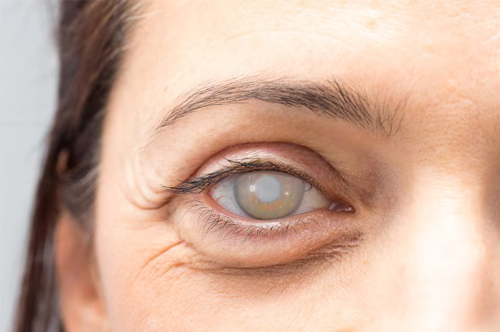
Amblyopia, commonly known as lazy eye, occurs when the brain suppresses input from one eye due to a significant difference in visual quality between the two eyes. Over time the affected eye loses visual acuity. Common causes include uncorrected refractive errors (particularly a large difference between the two eyes), squint (strabismus), and conditions that obstruct vision such as cataract.
By what age can amblyopia be treated?
Early treatment — ideally before age 7 — produces the best outcomes. However, studies have shown that children between 7 and 17 years of age can also respond meaningfully to treatment. Amblyopia should never be considered untreatable solely on the basis of age.
How is amblyopia treated?
Treatment options include corrective eyeglasses or contact lenses, patching of the stronger eye to stimulate use of the weaker eye, and atropine eye drops as an alternative to patching. The specific approach depends on the underlying cause and severity.
When should children be screened for amblyopia?
All children should be screened for amblyopia and its risk factors between the ages of 3 and 5 years. If any abnormality is identified, formal visual assessment should be arranged promptly. Earlier screening may be appropriate if there is a family history of squint, amblyopia, or significant refractive error.
Retinopathy of Prematurity (ROP)
What is Retinopathy of Prematurity (ROP)?
ROP is a potentially blinding eye disease affecting premature infants — typically those born before 34 weeks of gestation, weighing less than 2 kg, or with other significant risk factors. In ROP, abnormal blood vessels develop in the incompletely vascularised retina. In severe cases, these vessels can cause the retina to detach, leading to permanent vision loss if untreated.
How is ROP treated?
Mild ROP often resolves on its own and requires observation only. More advanced disease is treated with laser photocoagulation to the avascular retina — a procedure in which Dr. Khosla has particular expertise — or, in select cases, with anti-VEGF injections. Severe retinal detachment may require surgical intervention.
When should ROP screening begin?
The first screening examination should take place between 25 and 30 days (4 weeks) of life. All eligible infants should also be screened before hospital discharge, even if this occurs earlier than the standard schedule.
Where should ROP screening take place?
Screening should be performed in the NICU or SNCU for hospitalised infants, or at a facility equipped with appropriate instruments and a trained ophthalmologist for outpatient cases.
What happens if ROP is not treated?
Untreated severe ROP can lead to retinal detachment and permanent blindness. This is why timely screening of all at-risk premature infants is critical. With prompt diagnosis and appropriate treatment, the majority of affected infants retain useful vision.