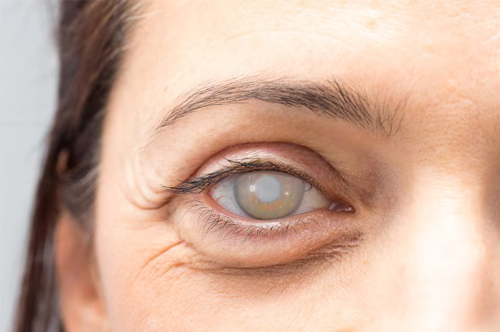
Glaucoma
What is glaucoma and how would I know if I have it?
Glaucoma is a condition in which the optic nerve is progressively damaged, most commonly due to raised pressure inside the eye. The most common form causes no pain or symptoms in its early stages — vision loss begins at the periphery and advances so gradually that most patients are unaware until significant damage has already occurred. The only way to detect it early is through a comprehensive eye examination, which is why regular check-ups are essential, particularly after the age of 40.
Am I at risk of glaucoma?
You are at higher risk if you are over 40, have a family history of glaucoma, are highly short-sighted, have diabetes or hypertension, or have been on long-term steroid medications (eye drops, inhalers, or tablets). If any of these apply to you, a glaucoma screening examination is strongly advised even in the absence of symptoms.
Can glaucoma be cured? Will I go blind?
There is currently no cure for glaucoma, and any vision already lost cannot be recovered. However, with timely diagnosis and consistent treatment, progression can be halted or significantly slowed. The majority of patients who adhere to their treatment plan and attend regular follow-ups retain functional vision throughout their lives. The key is early detection.
What does glaucoma treatment involve?
Treatment depends on the type and severity of glaucoma but typically begins with pressure-lowering eye drops. If drops are insufficient, laser treatment — such as Selective Laser Trabeculoplasty (SLT) — or surgery may be recommended. None of these treatments restore lost vision; they protect the vision that remains. Treatment is usually lifelong and requires regular monitoring.
My family member has glaucoma. Should I get tested?
Yes, urgently. First-degree relatives — parents, siblings, and children — of a glaucoma patient have a four to nine times higher risk of developing the condition. All immediate family members should have a comprehensive eye examination from the age of 35 to 40 onwards. Since glaucoma causes no symptoms in its early stages, waiting for a problem to appear before seeking assessment is not advisable.